Since the 1980s, Pepsi has done more than sell carbonated sugar water; it has sold moments. While other beverage companies focused on thirst-quenching properties, Pepsi understood that to win the summer—and the decades between—it needed to become a mirror reflecting youth, ambition, and cultural relevance. Its strategy was simple yet revolutionary: turn advertising into a media event. By aligning itself with the biggest names in music, Hollywood, and fashion, Pepsi transformed its commercials from interruptions into anticipated programming. This is the story of how one brand used celebrity power not just to endorse a product, but to define generations.
The Blueprint: Music Icons as Brand Architects
Michael Jackson (1983–1993): The Template
Pepsi didn't just hire Michael Jackson; it partnered with him. The historic $5 million deal was unprecedented, but the real genius was conceptual. Filming the iconic "Pepsi Generation" commercial, Jackson’s hair accidentally caught fire—a tragic moment that ironically proved his human vulnerability, making the campaign even more legendary. The "Pepsi Generation" slogan became a cultural shorthand for optimism. Jackson wasn't selling soda; he was selling energy, spectacle, and global cool.
Link: 
" target="_blank" rel="noreferrer">Michael Jackson Pepsi Generation Ad (1984):
Ray Charles (1990s): The Soul of Diet Pepsi
While Michael Jackson brought spectacle, Ray Charles brought soul. His Diet Pepsi campaign with the tagline “You Got the Right One, Baby, Uh‑Huh!” was deceptively simple. Charles’s raspy voice and infectious piano transformed a corporate jingle into a cultural catchphrase. It proved that celebrity endorsement didn't need pyrotechnics; it needed authenticity.
Link: 
Spice Girls (1997): Girl Power Goes Global
The "Generation Next" campaign was a masterstroke in global localization. Pepsi bottled the Spice Girls’ "Girl Power" ethos into collectible cans featuring each member. It wasn't just an ad; it was merchandise. Teenagers weren't just buying Pepsi; they were collecting Victoria, Mel, Emma, Geri, and Mel B. This campaign taught marketers that the product itself could be the collectible.
Link: [Spice Girls Pepsi Commercial (1997): Search YouTube: "Spice Girls Pepsi Generation Next"]
Britney Spears, Beyoncé, Pink (2004): The Gladiator Era
If the 80s were about spectacle and the 90s about catchphrases, the 2000s were about cinema. The "Gladiator" ad, directed by Tarsem Singh, featured Britney Spears, Beyoncé, Pink, and Enrique Iglesias in a $10 million Roman epic compressed into 90 seconds. It wasn't a commercial; it was a short film. Pepsi understood that in the age of blockbusters, ads needed to compete with Hollywood.
Link: 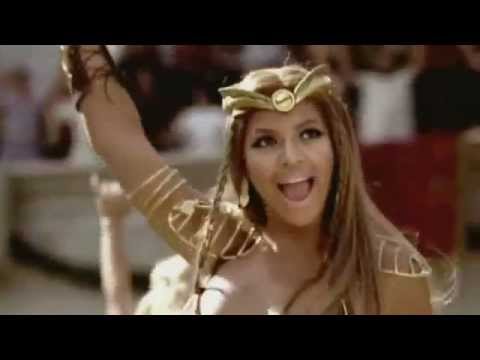 " target="_blank" rel="noreferrer">Britney Spears, Beyoncé, Pink Gladiator Ad (2004):
Beyoncé (2013): Art and Commerce
Beyoncé’s 2013 partnership with Pepsi was unique. Instead of just appearing in ads, she became a creative director. The campaign included a limited-edition can featuring her silhouette and a collaborative EP. Pepsi realized that modern celebrities don't want to be mouthpieces; they want to be co-authors.
Link: [Beyoncé Pepsi Mirror Ad (2013): Search YouTube: "Beyoncé Pepsi Mirrors"]
Bad Bunny (2023): The New Guard
In 2023, Pepsi tapped Bad Bunny for its "Press Play on Summer" campaign with Apple Music. The choice was deliberate. Bad Bunny represents the Latinx Gen Z consumer—bilingual, digital-native, and fiercely proud of his roots. Pepsi wasn't just adapting to streaming culture; it was betting on the demographic future of America.
Link:  " target="_blank" rel="noreferrer">Bad Bunny Pepsi Campaign (2023):
The Icons of Hollywood and Fashion
Cindy Crawford (1992): The 90s Time Capsule
Cindy Crawford’s Diet Pepsi commercial is perhaps the most viscerally remembered soda ad in history. Dressed in a white tank top, denim shorts, and cowboy boots, she pulls into a gas station, buys a Pepsi, and drinks it while two young boys stare in awe. It was simple. It was sexy. It was 1992 in a bottle. The ad proved that fashion and refreshment could be fused into a single cultural artifact.
Link:  " target="_blank" rel="noreferrer">Cindy Crawford Pepsi Commercial (1992):
Cardi B, Steve Carell, Lil Jon (2019): Super Bowl Alchemy
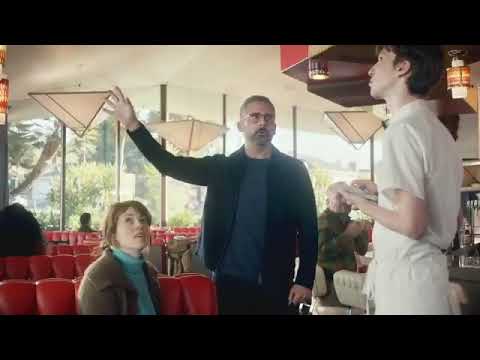
By 2019, Pepsi had mastered the Super Bowl slot. The "More Than Okay" spot starring Steve Carell, Cardi B, and Lil Jon was a comedy-music hybrid. Carell’s deadpan confusion paired with Cardi’s brash confidence and Lil Jon’s signature "YEAH!" created a meme-ready formula. It demonstrated Pepsi’s ability to remain relevant in the fragmented digital age.
Link: Cardi B, Steve Carell, Lil Jon “More Than Okay” (2019):
Comparative Table: Pepsi’s Star Legacy
StarEraKey CampaignLegacy
| Michael Jackson | 1980s–1990s | Pepsi Generation | Elevated endorsements to global spectacles |
| Cindy Crawford | 1992 | "Just One Look" | Fashion icon; 90s cultural freeze-frame |
| Ray Charles | 1990s | Diet Pepsi "Uh‑Huh" | Catchphrase immortality |
| Spice Girls | 1997 | Generation Next | Collectible culture; global girl power |
| Britney Spears | 2001–2004 | Gladiator / Joy of Pepsi | Millennial dominance; pop synergy |
| Beyoncé | 2004, 2013 | Gladiator / Mirrors | Glamour; creative partnership model |
| Cardi B / Lil Jon | 2019 | "More Than Okay" | Meme culture; Super Bowl mastery |
| Bad Bunny | 2023 | Press Play on Summer | Gen Z; Latinx representation |
Expert Analysis: Why Pepsi’s Celebrity Strategy Worked
1. Celebrity as Cultural Barometer
Pepsi didn't chase fame; it chased cultural gravity. Michael Jackson in the 80s, Britney in the 00s, Bad Bunny today—each choice signaled where youth culture was heading.
2. Risk and Reinvention
Celebrity endorsements are volatile. When Michael Jackson faced controversy, Pepsi quietly pivoted. When Britney’s public image shifted, Pepsi evolved. The brand understood that no single star is bigger than the brand’s narrative.
3. Global Localization
Pepsi didn't impose American stars on global markets. In Egypt, it featured Amr Diab; in Latin America, Chayenne; in China, F4. This glocal approach made Pepsi feel both universal and personal.
4. From Endorsement to Co-Creation
The Beyoncé partnership marked a shift. Modern celebrities want ownership. Pepsi adapted by turning stars into creative collaborators, not just paid faces.
Conclusion: The Pepsi Century
From the pyrotechnics of Michael Jackson’s hair to the dembow rhythms of Bad Bunny, Pepsi has spent forty years writing the history of pop culture through advertising. It understood early that soda is an accompaniment—to music, to movies, to summer. By positioning itself alongside the artists who defined eras, Pepsi stopped being just a beverage and became a time stamp.
The lesson for modern marketers is clear: authenticity isn't about being real; it's about being relevant. Pepsi didn't invent celebrity endorsements, but it perfected them. It proved that when a brand aligns with a star at the right moment, the commercial isn't an interruption—it's a cultural artifact.
In the pantheon of advertising history, Pepsi’s celebrity campaigns are not footnotes. They are chapters.
Other Articles
Famous Athletes in Pepsi CommercialsDiscover the iconic athletes who have starred in Pepsi commercials,showcasing their talent and charisma while promoting the brand'srefreshing image.

Memorable Dunkin’ Donuts Phrases in AdsDiscover the most memorable Dunkin’ Donuts phrases from their iconicads. Explore how these catchy lines have shaped the brand's identity and customer loyalty.

LG Campaigns in Connected GadgetsDiscover how LG is transforming smart device advertising with innovative strategies and cutting-edge technology to enhance user engagement andbrand visibility.
Iconic Adidas Campaigns in Urban FashionDiscover the impact of iconic Adidas campaigns on urban fashion. Explore how these bold designs shaped street style and influenced cultureworldwide.

How Toshiba Ads Influenced Tech MarketingDiscover how Toshiba's innovative advertising strategies reshaped techmarketing, influencing trends and consumer engagement in the digitalage.

How Microsoft Ads Shaped Tech MarketingExplore Microsoft's advertising journey in software innovation,highlighting key strategies, advancements, and the impact on the techindustry.
Volvo Ads and Their Safety LegacyDiscover Volvo's innovative advertising journey in safety campaigns,showcasing their commitment to protecting lives and redefiningautomotive safety standards.

Chevrolet Ads and Their Automotive ImpactExplore the influence of Chevrolet ads on the automotive industry.Discover how innovative marketing shapes consumer perceptions and drives sales.

Lenovo Ads and Their Global ReachDiscover how Lenovo is shaping the future of technology advertising,driving innovation and expanding market reach in the digital landscape.